Are You Looking For a Physiotherapist In North Parramatta, New South Wales?
When it comes to your health, we are committed to delivering dedicated, evidence-based care tailored to your needs.
At North Parramatta Physiotherapy & Sports Injuries, we combine clinical expertise with genuine care to provide results-driven physiotherapy that puts you first.
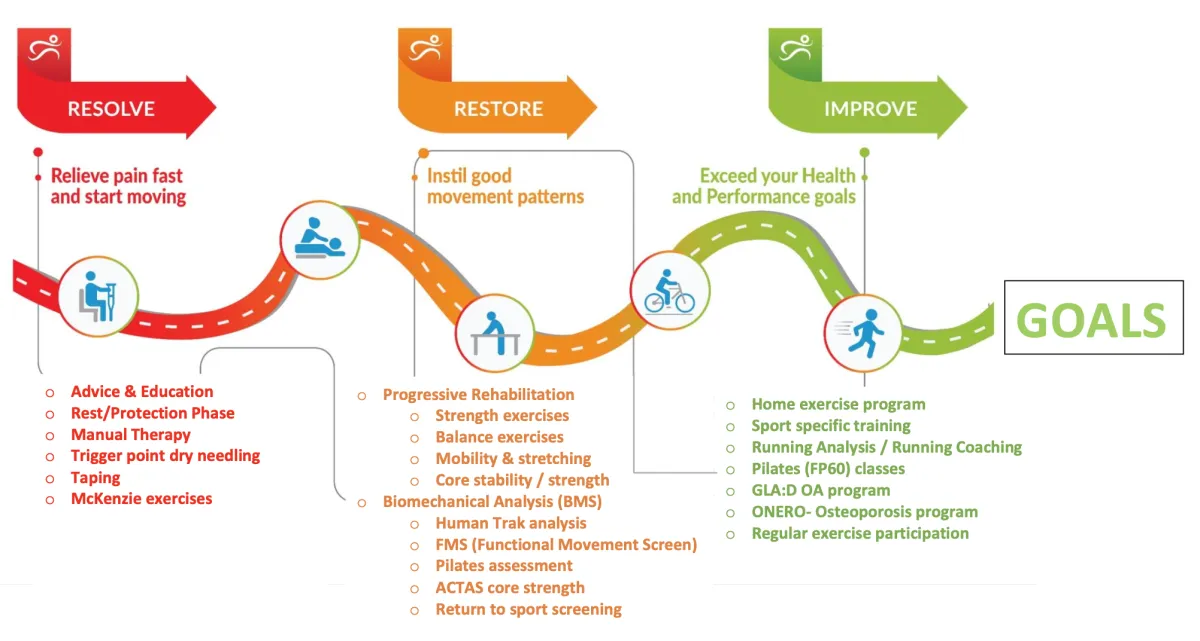
Our experienced team doesn’t just treat symptoms, we pride ourselves on our pain to performance approach to client care where we take the time to understand the root cause of your pain and create a personalised plan to help you move better, feel stronger and get back to what you love. Our model is relieving symptoms, restoring function and improving your long term health.
Because it's not just about living longer—it's about living well. Prioritising your health span means staying active and independent for as many years as possible.
Make your health a priority and book an appointment with one of our expert physios and take the first step towards better health.
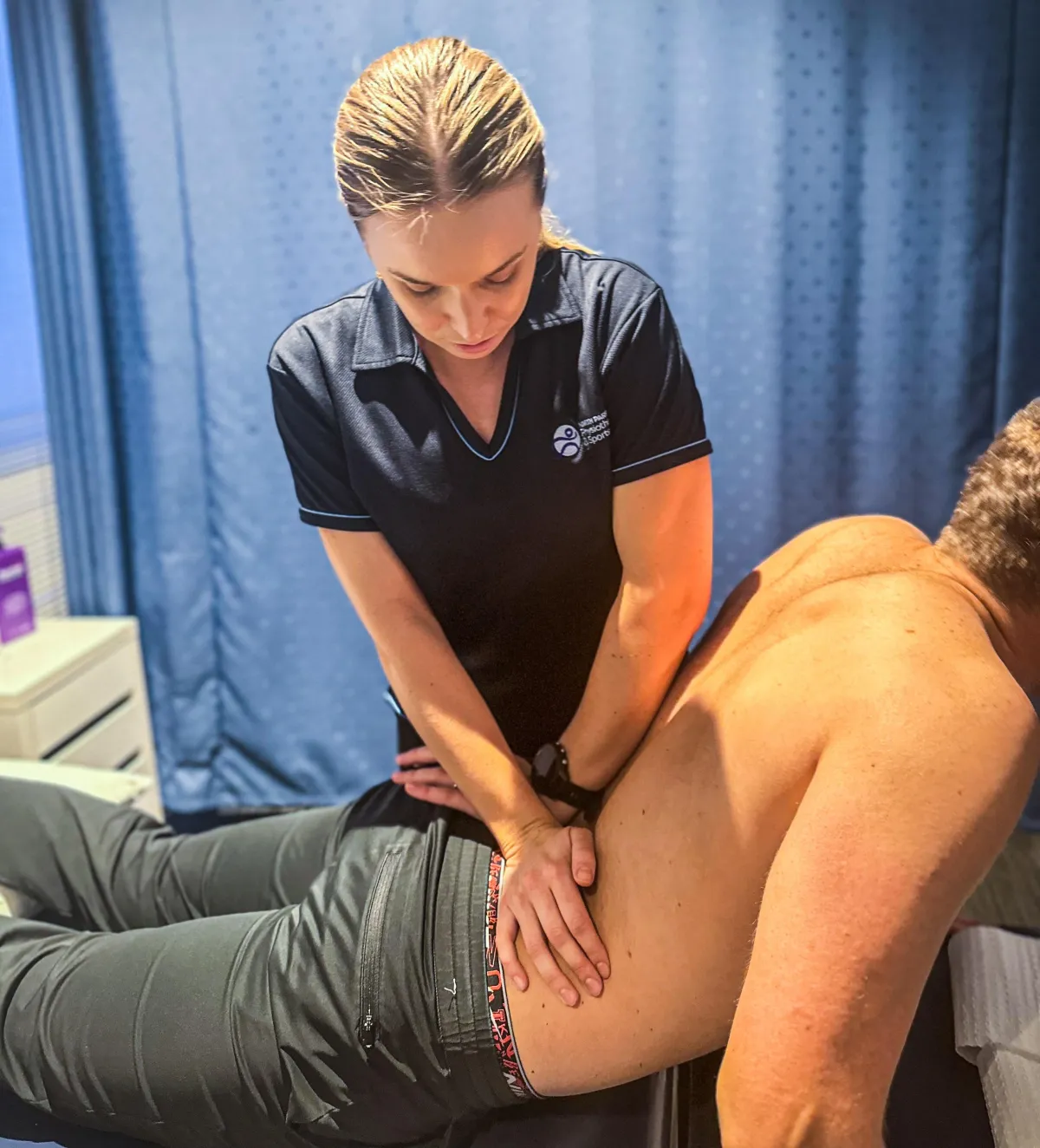
We have been an established sports physiotherapy practice in North Parramatta for 30 years, and are an integral member of the Parramatta community and all levels of local sports.
What Sets Us Apart?
Evidence Based Practice – we use the MDT or McKenzie approach to Musculo-skeletal treatments.
We have 44 small group exercise classes per week – Clinical Pilates, ONERO (Osteoporosis) and GLAD (Arthritis).
We pride ourselves on our Pain to Performance model – to encourage all our clients to achieve their goals.
Commitment to Learning – even with our wealth of experience, we are always looking to improve.
To book a class, please make sure to click on the booking link. This is the only way to secure your spot and ensure your reservation is confirmed.
We appreciate your cooperation and look forward to seeing you in class!
How Can We Help?
At North Parramatta Physiotherapy we treat a wide range of conditions from everyday aches to complex injuries. Whether you're dealing with a recent injury or something that’s been nagging you for a while, our experienced physiotherapists can help you understand the cause and work towards lasting relief.
We commonly help clients with:
Back pain – from stiffness and postural strain to disc injuries and sciatica
Neck pain & headaches – including tension, whiplash and desk-related strain
Shoulder pain – such as rotator cuff issues, bursitis and frozen shoulder
Knee pain – from ligament injuries and arthritis to patellofemoral pain
Hip & pelvic pain – affecting movement, stability or sleep
Ankle & foot problems – including sprains, Achilles issues and plantar fasciitis
Post-surgical recovery – regain strength and mobility after orthopaedic surgery
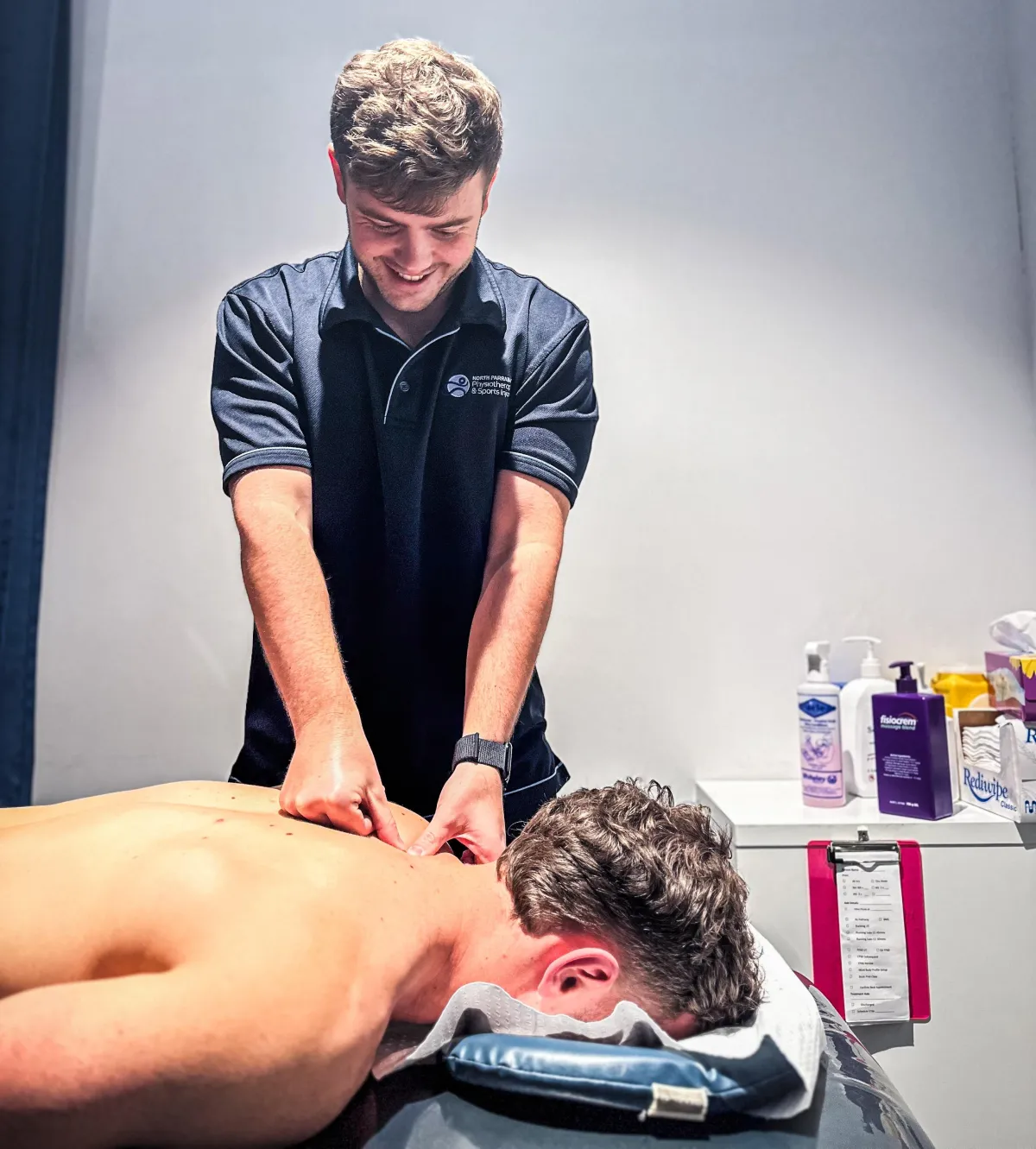
Sports injuries – from sprains and strains to overuse injuries
Balance and dizziness issues – including BPPV and vestibular dysfunction
Confused about your pain and not sure what to do?
Get clear, professional advice in our free downloadable information packs
Back Pain
Understand why back pain happens and how to help it
Shoulder Pain
Understand why shoulder pain happens and how to help it
Knee Pain
Understand why knee pain happens and how to help it
Contact us today to speak with our friendly team and find out how we can help you feel your best
Latest Tips and Advice
Knee Pain
Does knee pain mean Damage?
Knee pain can affect everything from walking and climbing stairs to running, squatting and playing sport. It can develop suddenly following an injury or gradually as the knee is exposed to changes in activity, exercise or workload.
Not all knee pain means there is serious damage. In many cases, understanding how the knee is responding to movement and load is an important part of recovery.
Physiotherapy can help identify factors contributing to your symptoms, improve strength and function and guide your return to activity.
Why Does My Knee Hurt?
Common contributors include:
* Sporting injuries
* Running and jumping
* Sudden increases in exercise
* Repetitive loading
* Muscle weakness
* Reduced mobility
* Previous knee injuries
* Osteoarthritis
* Changes in training volume
* Reduced tolerance to activity
Knee pain can occur both with and without a specific injury. Factors such as strength, recovery, sleep, training load and previous experiences with pain can all influence symptoms.
When Should You Get Knee Pain Checked?
Your knee is swollen or difficult to move
Swelling and restricted movement can occur following injury or irritation. If these symptoms are significant or aren't improving, an assessment can help determine the next step.
Stairs, squatting or getting up from a chair are becoming difficult
These everyday movements place demands through the knee. Ongoing difficulty can be a sign that your knee would benefit from a structured rehabilitation program.
Your knee pain keeps returning when you run or play sport
If symptoms repeatedly return when you increase your running, gym training or sporting activity, your knee may need a more gradual approach to increasing load.
You feel your knee is unstable
A feeling that the knee is giving way or lacking confidence during movement should be assessed, particularly following a sporting injury.
What Happens During a Knee Physiotherapy Assessment?
Your physiotherapist will look at both your symptoms and how your knee functions.
This may include discussing:
* How the pain started
* Previous knee injuries or surgery
* Running and sporting demands
* Gym training
* Work and daily activities
* Swelling and movement restrictions
* Your goals for recovery
The physical assessment may include knee movement, strength, balance, functional movements and, where appropriate, running or sporting tasks.
How Can Physiotherapy Help Knee Pain?
1. Strength and Exercise Rehabilitation
Building strength around the knee and lower limb is an important part of many rehabilitation programs. Exercises can be progressed as your capacity improves.
2. Load Management
Your physiotherapist can help determine how much walking, running, gym or sport your knee can currently tolerate and develop a gradual progression.
3. Movement and Functional Rehabilitation
Rehabilitation can include squatting, stepping, balance, jumping, running and other movements relevant to your goals.
4. Return to Sport
For athletes, rehabilitation can progress beyond simply reducing pain to rebuilding the strength, power, balance and confidence needed for sport.
Frequently Asked Questions
Should I stop running if I have knee pain?
Not necessarily. Depending on the cause and severity of your symptoms, running may be modified rather than completely stopped. Your physiotherapist can help determine an appropriate approach.
Does knee pain mean I have damaged my knee?
Pain does not always mean significant structural damage. A number of factors can contribute to knee pain, and an assessment can help put your symptoms into context.
Can physiotherapy help knee arthritis?
Yes. Exercise, strength training and activity management can be useful components of managing knee osteoarthritis and maintaining function.
Take the First Step Towards Managing Your Knee Pain
Knee pain doesn't have to mean giving up the activities you enjoy. With the right assessment and rehabilitation plan, many people can gradually rebuild their strength, confidence and tolerance to activity.
At North Parramatta Physiotherapy & Sports Injuries, we provide evidence-informed assessment and rehabilitation for knee pain throughout.
Contact our friendly team today on: 0298902444 or book online
for more knee information please click here

We’re proud to be connected with trusted professional affiliations and community partners.






North Parramatta Physiotherapy & Sports Injuries is powered by Vitala Health, a group of Allied Health Practices across New Zealand and Australia.
Vitala Health provides clinical solutions that supports clients health and lifestyle needs through best practice treatment, premium facilities, education and ongoing commitment to customer service. Learn more about Vitala Health
If you have any questions before scheduling an appointment or for general enquiries, please use the contact us. Our team will promptly reach out to assist you.
Opening Hours
Monday: 7am - 7pm
Tuesday: 7am - 7pm
Wednesday: 7am - 7pm
Thursday: 7am - 7pm
Friday: 7am - 5pm
Saturday: 8am - 12pm
Sunday: Closed


Follow Us
The Clinic
Common conditions
North Parramatta Physiotherapy & Sports Injuries
© Copyright 2026 Vitala Health. All Rights Reserved.
Facebook
Instagram