
Are You Looking For a Physiotherapist In North Parramatta, New South Wales?
When it comes to your health, we are committed to delivering dedicated, evidence-based care tailored to your needs.
At North Parramatta Physiotherapy & Sports Injuries, we combine clinical expertise with genuine care to provide results-driven physiotherapy that puts you first.
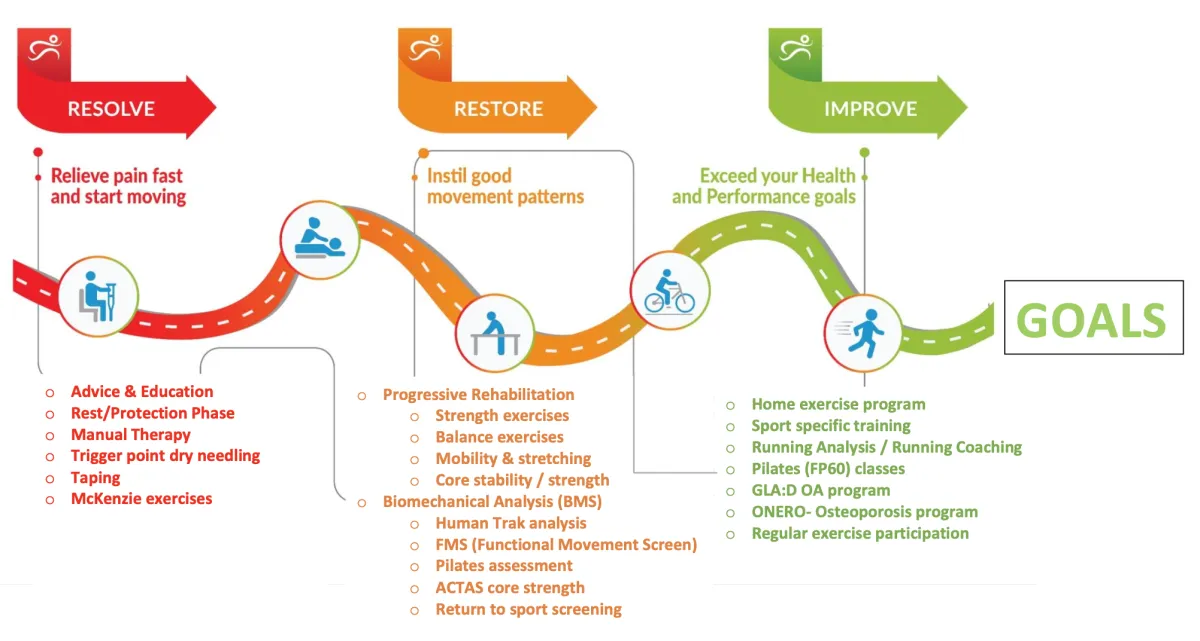
Our experienced team doesn’t just treat symptoms, we pride ourselves on our pain to performance approach to client care where we take the time to understand the root cause of your pain and create a personalised plan to help you move better, feel stronger and get back to what you love. Our model is relieving symptoms, restoring function and improving your long term health.
Because it's not just about living longer—it's about living well. Prioritising your health span means staying active and independent for as many years as possible.
Make your health a priority and book an appointment with one of our expert physios and take the first step towards better health.
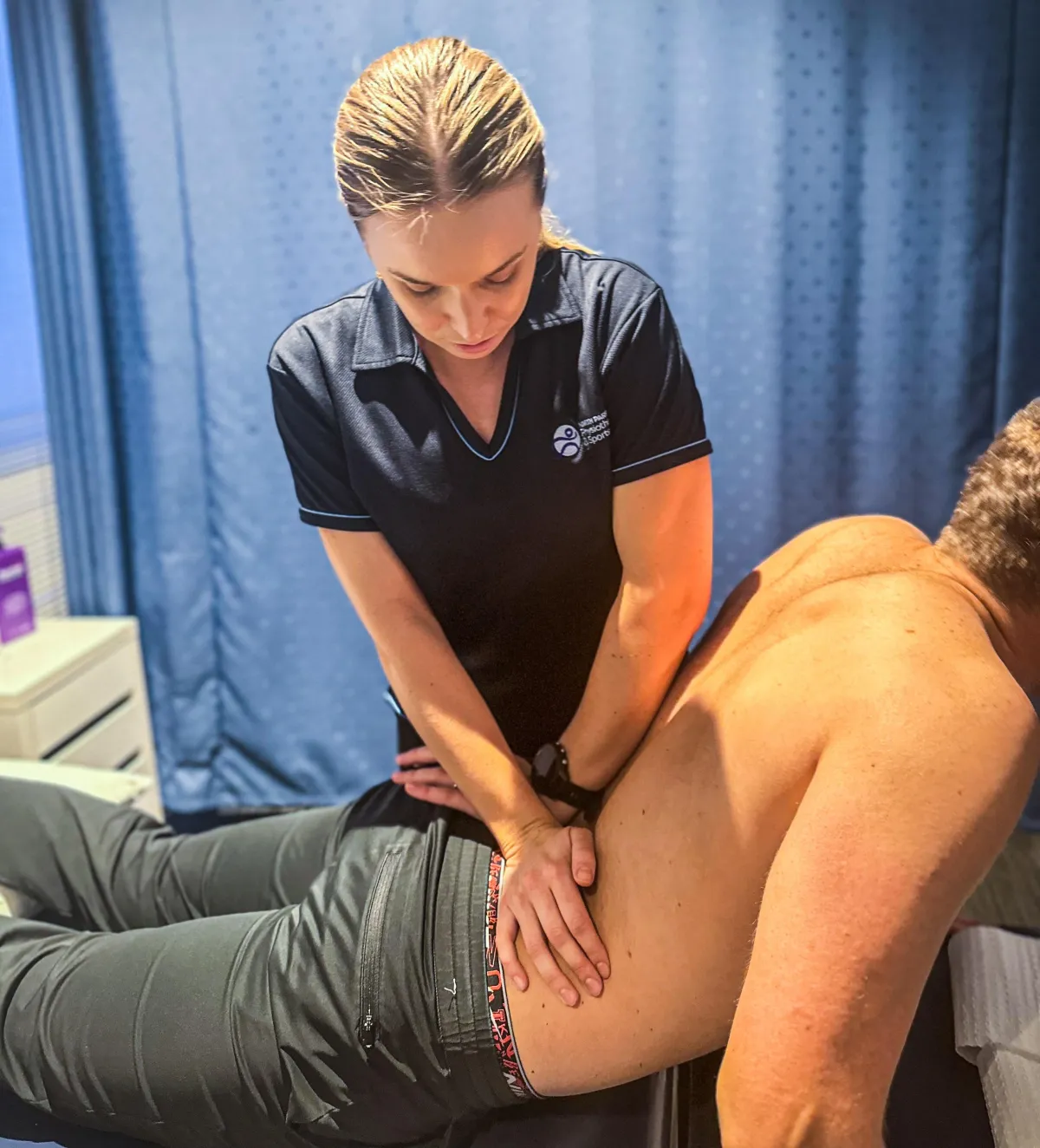
We have been an established sports physiotherapy practice in North Parramatta for 30 years, and are an integral member of the Parramatta community and all levels of local sports.
What Sets Us Apart?
Evidence Based Practice – we use the MDT or McKenzie approach to Musculo-skeletal treatments.
We have 44 small group exercise classes per week – Clinical Pilates, ONERO (Osteoporosis) and GLAD (Arthritis).
We pride ourselves on our Pain to Performance model – to encourage all our clients to achieve their goals.
Commitment to Learning – even with our wealth of experience, we are always looking to improve.
To book a class, please make sure to click on the booking link. This is the only way to secure your spot and ensure your reservation is confirmed.
We appreciate your cooperation and look forward to seeing you in class!
How Can We Help?
At North Parramatta Physiotherapy we treat a wide range of conditions from everyday aches to complex injuries. Whether you're dealing with a recent injury or something that’s been nagging you for a while, our experienced physiotherapists can help you understand the cause and work towards lasting relief.
We commonly help clients with:
Back pain – from stiffness and postural strain to disc injuries and sciatica
Neck pain & headaches – including tension, whiplash and desk-related strain
Shoulder pain – such as rotator cuff issues, bursitis and frozen shoulder
Knee pain – from ligament injuries and arthritis to patellofemoral pain
Hip & pelvic pain – affecting movement, stability or sleep
Ankle & foot problems – including sprains, Achilles issues and plantar fasciitis
Post-surgical recovery – regain strength and mobility after orthopaedic surgery
Sports injuries – from sprains and strains to overuse injuries
Balance and dizziness issues – including BPPV and vestibular dysfunction
Confused about your pain and not sure what to do?
Get clear, professional advice in our free downloadable information packs
Back Pain
Understand why back pain happens and how to help it
Shoulder Pain
Understand why shoulder pain happens and how to help it
Knee Pain
Understand why knee pain happens and how to help it
Contact us today to speak with our friendly team and find out how we can help you feel your best
Latest Tips and Advice
When to See a Physiotherapist for Hip Pain
When Should You See a Physiotherapist for Hip Pain?
Hip pain can creep up slowly or arrive suddenly after a twist, fall, or long day on your feet. Knowing when to seek help from a physiotherapist can make the difference between a short setback and a long‑term problem. At North Parramatta Physiotherapy and sports injuries, we focus on early, personalised treatment to help you move with less pain, more strength, and greater confidence.
Common Causes of Hip Pain
Hip pain is not always caused by a single event. Often, it develops over time due to a combination of posture, activity levels, and the way your muscles and joints share the workload. Some frequent causes include:
Muscle strain or tendon irritation from lifting, twisting, running, or sudden changes in activity levels.
Hip joint osteoarthritis, where the protective cartilage gradually wears down, causing stiffness and aching, especially with weight‑bearing activities.
Bursitis, an inflammation of the small fluid‑filled sacs that cushion the outside of the hip, often felt as sharp pain when lying on that side or climbing stairs.
Referred pain from the lower back, pelvis, or even the knee, which can make the hip feel sore, tight, or weak.
Sport‑related overuse, such as repetitive kicking, sprinting, or change‑of‑direction movements that overload certain hip structures.
While some mild soreness may settle with rest, ongoing or worsening symptoms are a sign that your hip needs more than “wait and see”.
Symptoms That Indicate You Should See a Physiotherapist
You do not have to live with constant discomfort. Consider booking an appointment with a physiotherapist at North Parramatta Physiotherapy if you notice any of the following:
Pain in or around the hip that lasts longer than one to two weeks, despite rest or simple self‑care.
Difficulty walking, standing from a chair, getting in and out of a car, or going up and down stairs without pain or stiffness.
Night pain or discomfort when lying on your hip that disrupts your sleep and leaves you tired the next day.
A feeling of weakness, giving way, or loss of confidence when you put weight through that leg.
Reduced movement, such as struggling to bend to tie your shoes, cross your legs, or squat down.
If your hip pain follows a fall, is severe, or comes with fever or sudden swelling, seek urgent medical attention first. Otherwise, a physiotherapy assessment is a safe next step to understand what is going on and how to address it.
What Happens During a Physiotherapy Assessment for Hip Pain?
Many people feel nervous before their first appointment, especially when they are already in pain. At North Parramatta Physiotherapy, your assessment is designed to be thorough, respectful, and focused on your goals. A typical session includes:
Detailed conversation (history) about when your pain started, what makes it better or worse, your work, hobbies, and any past injuries or conditions.
Movement assessment to see how you walk, squat, sit, stand, and move your hip in different directions. This helps identify stiffness, compensations, and movement patterns contributing to your pain.
Strength and control testing for the muscles around your hip, pelvis, and core to find areas of weakness or imbalance that may be overloading the joint or soft tissues.
Hands‑on examination of specific structures, such as tendons, bursa, and the hip joint itself, to clarify the main source of your symptoms.
Your physiotherapist will then explain their findings in clear, simple language and outline a tailored treatment plan. This plan is not just about reducing pain; it is about improving how you move, how strong you feel, and how confident you are using your hip in everyday life.
How Physiotherapy Can Help Your Hip Pain
Physiotherapy offers more than short‑term relief. It aims to treat the underlying causes of your hip pain and support long‑term recovery. Depending on your assessment, treatment may include:
Hands‑on techniques such as joint mobilisation, soft tissue massage, and stretching to reduce stiffness, ease muscle tension, and improve comfort with movement.
Individualised exercise programs to build hip and core strength, improve flexibility, and restore control so you can walk, bend, and climb stairs more easily.
Movement retraining to adjust how you load your hip during daily activities, reducing strain on irritated tissues and promoting healthier patterns.
Education and self‑management strategies, including advice on pacing activity, sitting and standing positions, sleep positions, and when to push or ease back.
Over time, these approaches work together to reduce pain, restore movement, and rebuild trust in your hip so you feel safer and more capable doing the things that matter to you.
Why Early Intervention Matters
It is tempting to hope hip pain will simply “go away”. Unfortunately, ignoring symptoms can allow stiffness, weakness, and poor movement patterns to become more established. This often leads to:
Increased pain and reduced mobility over time.
Compensations in the back, knee, or opposite hip, creating new problem areas.
Loss of confidence, leading to reduced activity, deconditioning, and frustration with daily tasks.
Early physiotherapy intervention can interrupt this cycle. Addressing hip pain promptly often means shorter recovery times, fewer flare‑ups, and a smoother return to the activities you enjoy. It also gives you clear guidance and reassurance, instead of guessing what you should or should not be doing.
The Role of Assessment in Improving Movement, Strength, and Confidence
A careful assessment is the foundation of effective treatment. At North Parramatta Physiotherapy, we use your assessment to answer three key questions: What is causing your pain? How is it affecting the way you move and use your body? And what needs to change so you can feel stronger and more confident again?
Movement: By observing your walking, bending, and functional tasks, we identify specific movements that are limited or painful and track how they improve over time.
Strength: Objective strength tests highlight which muscles need targeted exercises. Re‑testing shows your progress and helps fine‑tune your program as you get stronger.
Confidence: When you understand your condition and see measurable improvements, fear tends to reduce. Gradually challenging your hip in a controlled way helps rebuild trust in your body.
This structured approach means your treatment is not random. Every exercise, manual technique, and piece of advice is linked back to what we discovered in your assessment and what you want to get back to doing.
Taking the Next Step with Your Hip Pain
If hip pain is limiting your walking, work, sleep, or exercise, you do not have to wait for it to become severe before seeking help. A professional physiotherapy assessment can clarify the cause of your symptoms and set out a clear plan to improve your movement, strength, and confidence.
Call North Parramatta Physiotherapy & Sports Injuries on 02 9890 2444 or book in online here

We’re proud to be connected with trusted professional affiliations and community partners.








North Parramatta Physiotherapy & Sports Injuries is powered by Vitala Health, a group of Allied Health Practices across New Zealand and Australia.
Vitala Health provides clinical solutions that supports clients health and lifestyle needs through best practice treatment, premium facilities, education and ongoing commitment to customer service. Learn more about Vitala Health
If you have any questions before scheduling an appointment or for general enquiries, please use the contact us. Our team will promptly reach out to assist you.
Opening Hours
Monday: 7am - 7pm
Tuesday: 7am - 7pm
Wednesday: 7am - 7pm
Thursday: 7am - 7pm
Friday: 7am - 5pm
Saturday: 8am - 12pm
Sunday: Closed



Follow Us
The Clinic
Common conditions
North Parramatta Physiotherapy & Sports Injuries
© Copyright 2026 Vitala Health. All Rights Reserved.
Facebook
Instagram