
Are You Looking For a Physiotherapist In North Parramatta, New South Wales?
When it comes to your health, we are committed to delivering dedicated, evidence-based care tailored to your needs.
At North Parramatta Physiotherapy & Sports Injuries, we combine clinical expertise with genuine care to provide results-driven physiotherapy that puts you first.
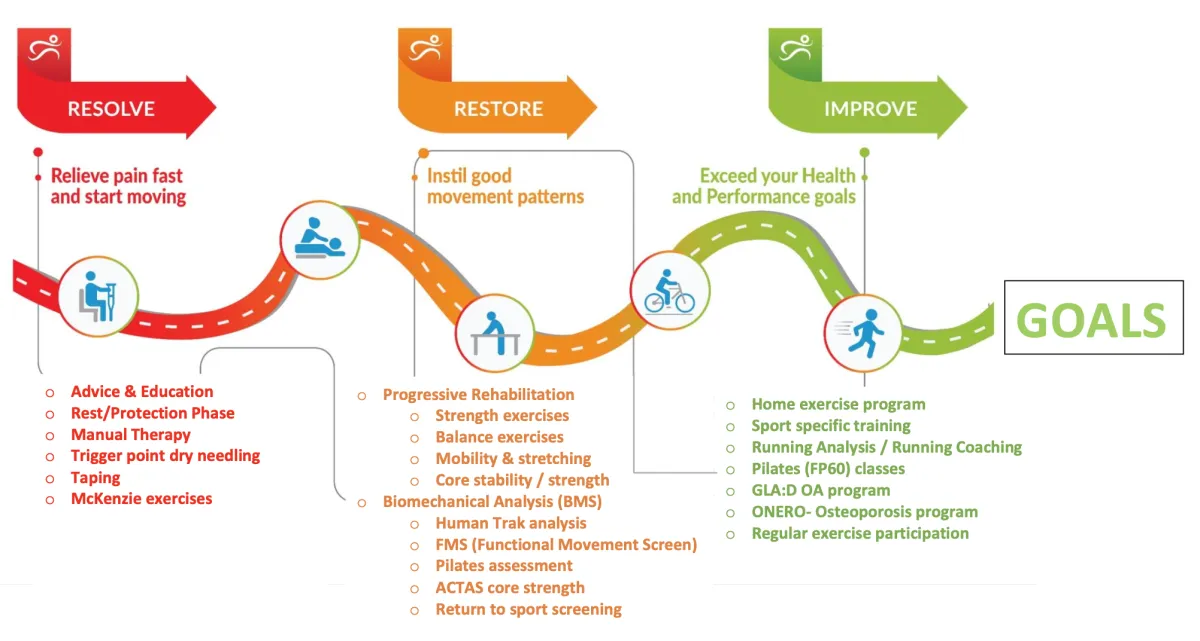
Our experienced team doesn’t just treat symptoms, we pride ourselves on our pain to performance approach to client care where we take the time to understand the root cause of your pain and create a personalised plan to help you move better, feel stronger and get back to what you love. Our model is relieving symptoms, restoring function and improving your long term health.
Because it's not just about living longer—it's about living well. Prioritising your health span means staying active and independent for as many years as possible.
Make your health a priority and book an appointment with one of our expert physios and take the first step towards better health.
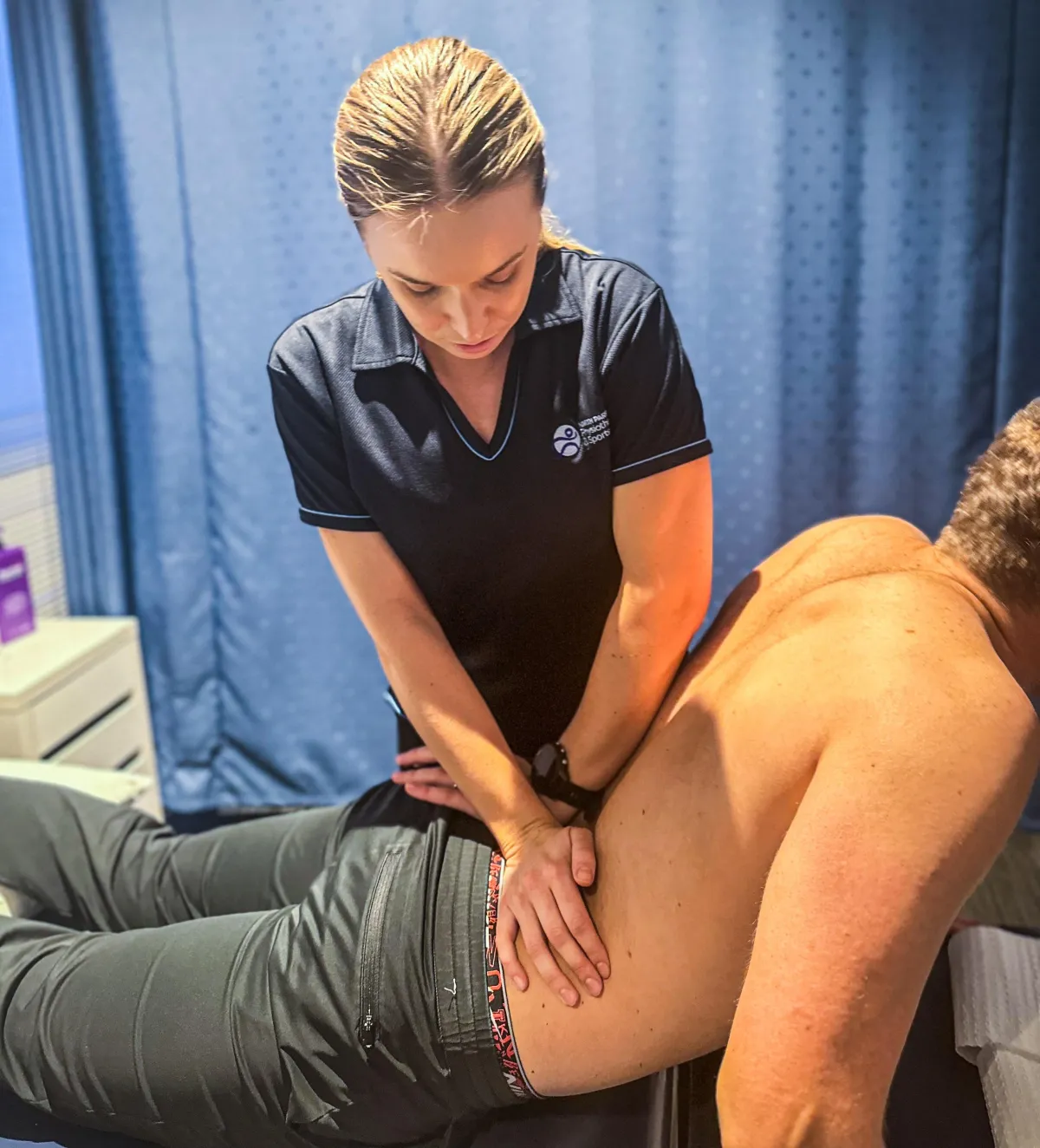
We have been an established sports physiotherapy practice in North Parramatta for 30 years, and are an integral member of the Parramatta community and all levels of local sports.
What Sets Us Apart?
Evidence Based Practice – we use the MDT or McKenzie approach to Musculo-skeletal treatments.
We have 44 small group exercise classes per week – Clinical Pilates, ONERO (Osteoporosis) and GLAD (Arthritis).
We pride ourselves on our Pain to Performance model – to encourage all our clients to achieve their goals.
Commitment to Learning – even with our wealth of experience, we are always looking to improve.
To book a class, please make sure to click on the booking link. This is the only way to secure your spot and ensure your reservation is confirmed.
We appreciate your cooperation and look forward to seeing you in class!
How Can We Help?
At North Parramatta Physiotherapy we treat a wide range of conditions from everyday aches to complex injuries. Whether you're dealing with a recent injury or something that’s been nagging you for a while, our experienced physiotherapists can help you understand the cause and work towards lasting relief.
We commonly help clients with:
Back pain – from stiffness and postural strain to disc injuries and sciatica
Neck pain & headaches – including tension, whiplash and desk-related strain
Shoulder pain – such as rotator cuff issues, bursitis and frozen shoulder
Knee pain – from ligament injuries and arthritis to patellofemoral pain
Hip & pelvic pain – affecting movement, stability or sleep
Ankle & foot problems – including sprains, Achilles issues and plantar fasciitis
Post-surgical recovery – regain strength and mobility after orthopaedic surgery
Sports injuries – from sprains and strains to overuse injuries
Balance and dizziness issues – including BPPV and vestibular dysfunction
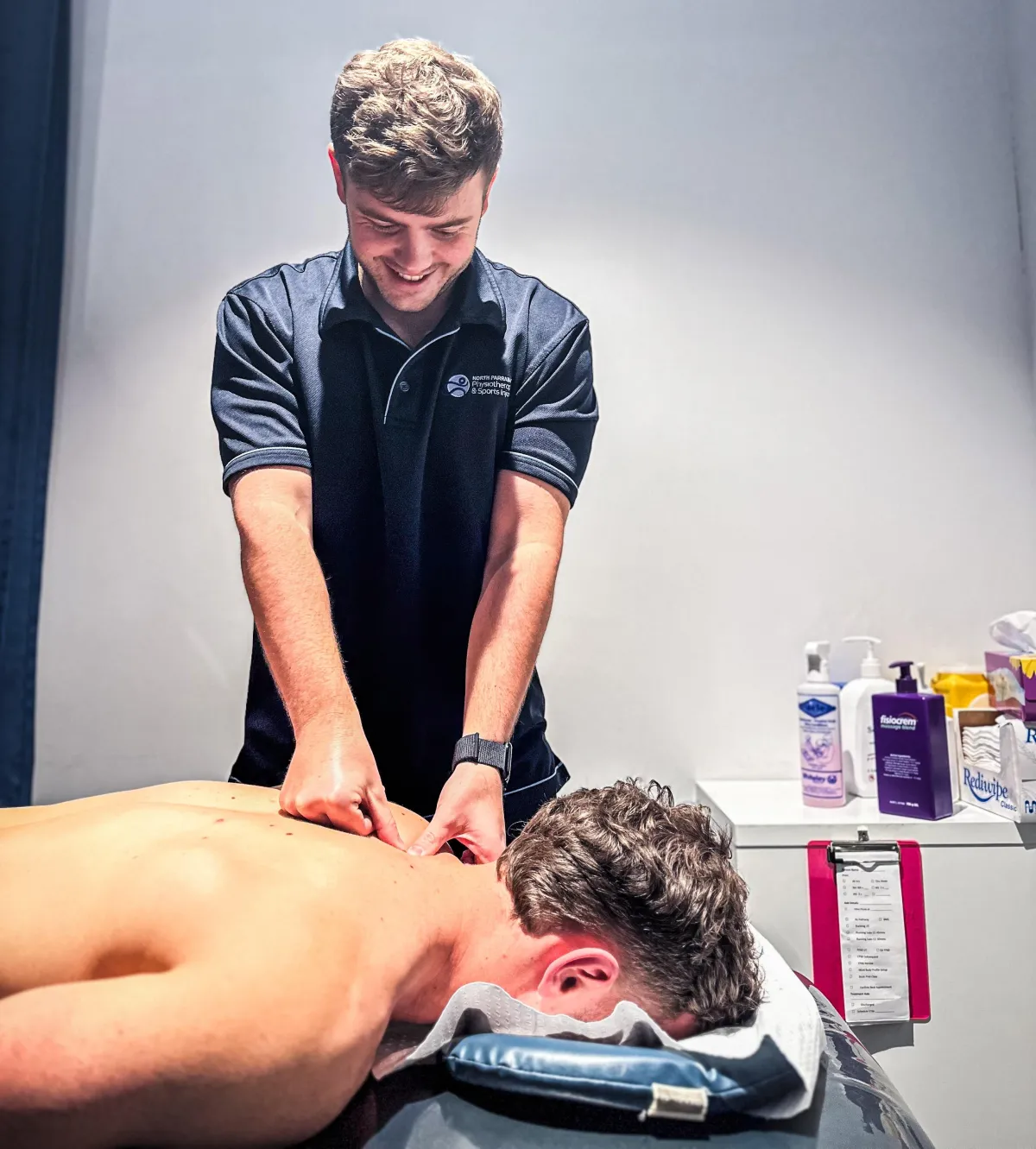
Confused about your pain and not sure what to do?
Get clear, professional advice in our free downloadable information packs
Back Pain
Understand why back pain happens and how to help it
Shoulder Pain
Understand why shoulder pain happens and how to help it
Knee Pain
Understand why knee pain happens and how to help it
Contact us today to speak with our friendly team and find out how we can help you feel your best
Latest Tips and Advice
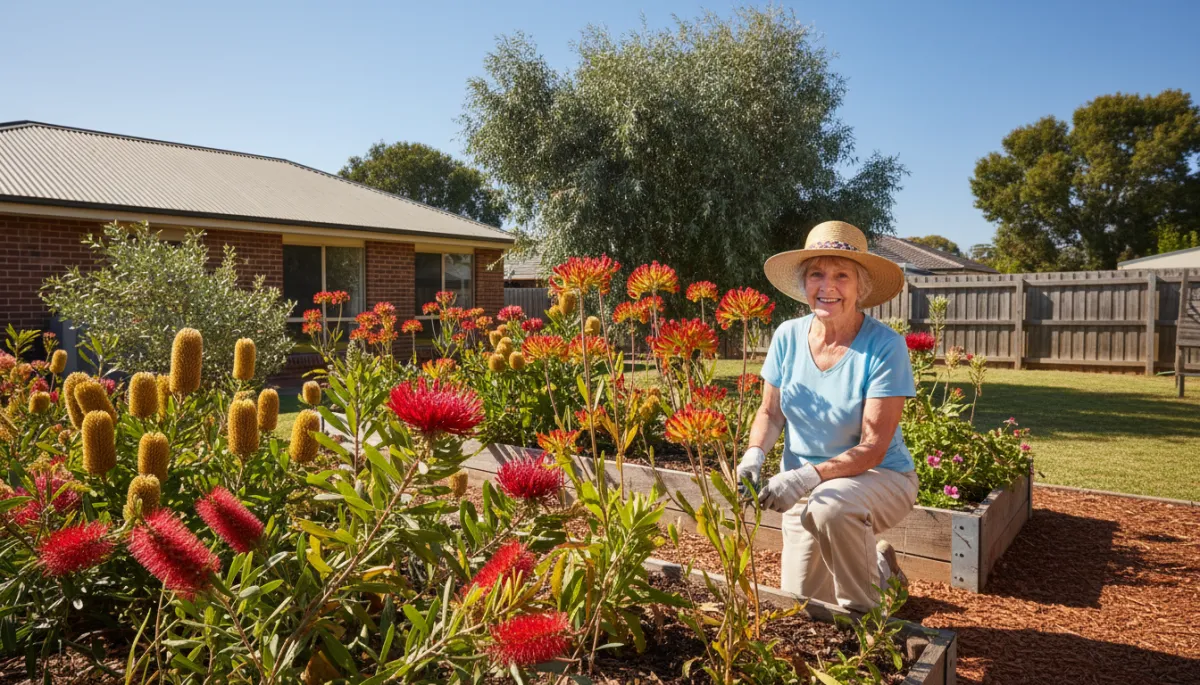
When Gardening Gets the Better of Us
Spring has arrived, bringing longer days, warmer weather and the perfect excuse to get back outside. For many of us, that means pulling out the gardening gloves, tackling the weeds that have taken over during winter and finally getting around to those outdoor jobs we’ve been putting off.
Gardening is a great way to stay active. Digging, planting, pruning, mowing and even pulling weeds can involve a surprising amount of movement and physical effort. But after a quieter winter, spending an entire weekend trying to get the garden back under control can sometimes leave our bodies feeling a little worse for wear.
The combination of bending, lifting, twisting, kneeling, reaching and repetitive movements can place demands on parts of the body that may not be accustomed to that level of activity. Gardening is recognised as an activity that can contribute to back pain and overuse injuries, particularly when we do too much at once or spend long periods in the same position.
So, as you head back into the garden this spring, here are some of the common problems to keep an eye on.
Lower back pain
The lower back often does a lot of work in the garden. Think about how much time you spend leaning over garden beds, digging, shovelling, lifting bags of soil or moving pots.
Frequent bending, twisting and lifting are all factors associated with lower back pain, particularly when there is a sudden increase in the amount of physical activity you're doing.
Instead of trying to finish everything in one afternoon, break larger gardening projects into smaller sessions. When lifting, get close to the object and use your legs rather than relying heavily on your back. Ask for help with objects that are awkward or too heavy to comfortably manage.
Knee pain
Weeding and planting often mean spending extended periods kneeling or squatting. If your knees aren't accustomed to these positions, you may notice discomfort during or after your gardening session.
Try changing positions regularly rather than staying kneeling for long periods. A gardening stool, kneeling pad or raised garden bed may also make gardening more comfortable.
Shoulder pain
Pruning, hedge trimming, raking and reaching overhead can all give your shoulders a workout. Problems can arise when these movements are performed repeatedly, particularly if you're working above shoulder height for extended periods.
Repetitive movement and overuse can contribute to conditions affecting the shoulder, including bursitis and tendon-related pain.
Alternate between tasks and avoid spending hours doing the same movement. If you've been pruning for a while, switch to a different job that uses your body differently.
Neck and upper back discomfort
Looking down while weeding, reaching into garden beds or holding your head in one position while pruning can leave your neck and upper back feeling stiff or uncomfortable.
Regularly changing position can help. Stand up, walk around and move your neck and shoulders before returning to the task rather than staying in one position for an extended period.
Wrist, hand and elbow pain
Secateurs, shears, trowels and other gardening tools require plenty of gripping. Add repetitive pruning, digging and pulling weeds and your hands, wrists and forearms can end up doing considerably more work than usual.
Repetitive movements can contribute to tendon problems, while tools that aren't suited to your hand size can contribute to fatigue and soft-tissue irritation.
Choose comfortable tools, avoid gripping more tightly than necessary and give your hands regular breaks.
Muscle strains and sprains
Sometimes it's not a gradual ache that catches us out. A sudden pull on a stubborn weed, lifting a heavy pot or losing your footing on uneven ground can result in a strain or sprain.
Strains commonly affect muscles and tendons, including those in the back and legs, while sprains often involve areas such as the ankle, knee or wrist. A sudden increase in the amount or intensity of activity can also increase the likelihood of these injuries.
A little preparation can go a long way
You don't need to avoid the garden to protect yourself. The key is to treat gardening like any other physical activity.
Start gradually, particularly if you haven't been very active over winter. Rotate between different jobs to avoid repeating the same movement for hours, take regular breaks and use tools that are appropriate for the task. Australian gardening safety guidance specifically recommends avoiding long gardening sessions, changing tasks regularly and avoiding uncomfortable positions.
Most importantly, pay attention to what your body is telling you. A little general muscle soreness after a busy day can happen, but persistent, worsening or significant pain shouldn't simply be ignored.
Don't let a gardening niggle grow
If an ache or pain from the garden isn't settling, is affecting your movement or is stopping you from getting back to the activities you enjoy, it may be worth having it assessed.
A physiotherapist can assess musculoskeletal problems such as back and knee pain, sprains, strains and muscle aches and help you improve movement and function.
So, enjoy the warmer weather, get outside and give the garden some much-needed attention this spring — just remember that you don't have to get the entire backyard finished in one weekend!
Has gardening got the better of you this spring? Our physiotherapy team is here to help you get moving comfortably and back to enjoying your garden.

We’re proud to be connected with trusted professional affiliations and community partners.








North Parramatta Physiotherapy & Sports Injuries is powered by Vitala Health, a group of Allied Health Practices across New Zealand and Australia.
Vitala Health provides clinical solutions that supports clients health and lifestyle needs through best practice treatment, premium facilities, education and ongoing commitment to customer service. Learn more about Vitala Health
If you have any questions before scheduling an appointment or for general enquiries, please use the contact us. Our team will promptly reach out to assist you.
Opening Hours
Monday: 7am - 7pm
Tuesday: 7am - 7pm
Wednesday: 7am - 7pm
Thursday: 7am - 7pm
Friday: 7am - 5pm
Saturday: 8am - 12pm
Sunday: Closed



Follow Us
The Clinic
Common conditions
North Parramatta Physiotherapy & Sports Injuries
© Copyright 2026 Vitala Health. All Rights Reserved.
Facebook
Instagram