
Are You Looking For a Physiotherapist In North Parramatta, New South Wales?
When it comes to your health, we are committed to delivering dedicated, evidence-based care tailored to your needs.
At North Parramatta Physiotherapy & Sports Injuries, we combine clinical expertise with genuine care to provide results-driven physiotherapy that puts you first.
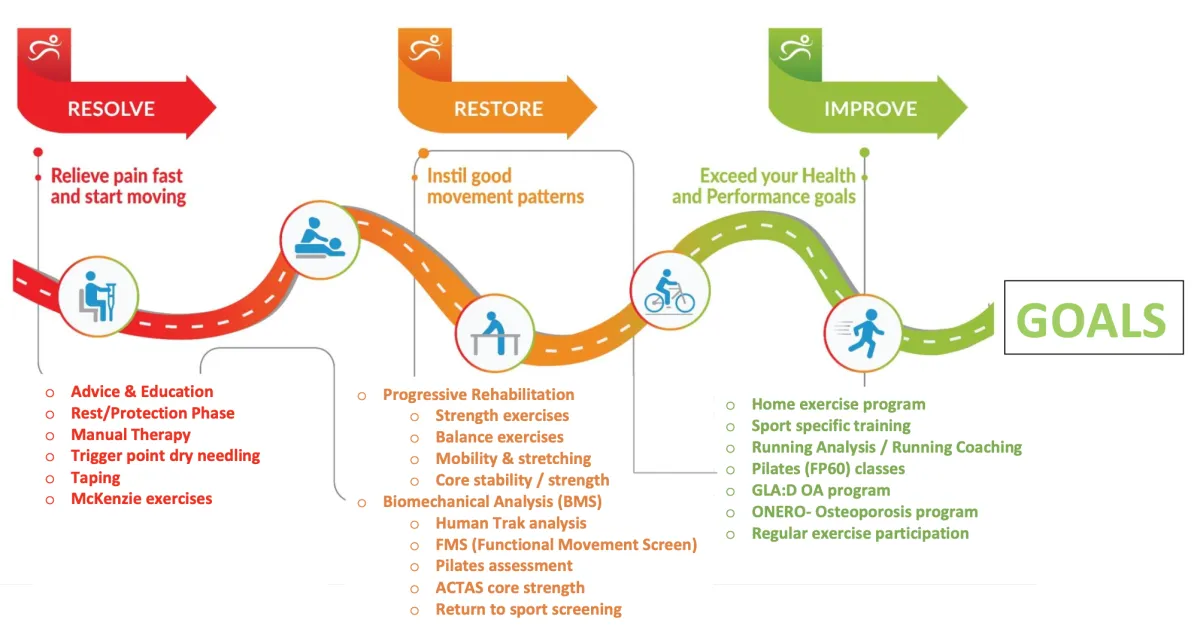
Our experienced team doesn’t just treat symptoms, we pride ourselves on our pain to performance approach to client care where we take the time to understand the root cause of your pain and create a personalised plan to help you move better, feel stronger and get back to what you love. Our model is relieving symptoms, restoring function and improving your long term health.
Because it's not just about living longer—it's about living well. Prioritising your health span means staying active and independent for as many years as possible.
Make your health a priority and book an appointment with one of our expert physios and take the first step towards better health.
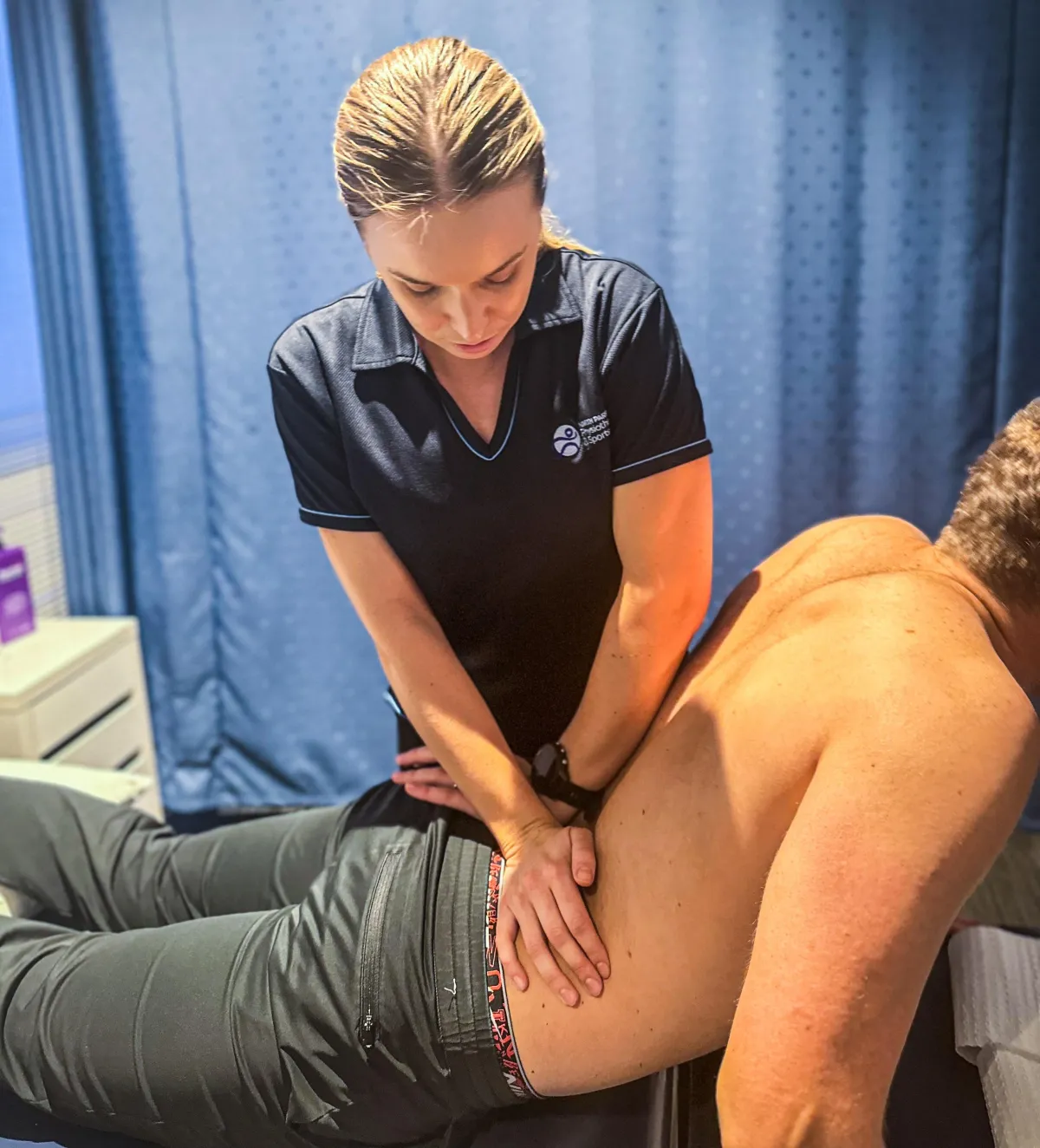
We have been an established sports physiotherapy practice in North Parramatta for 30 years, and are an integral member of the Parramatta community and all levels of local sports.
What Sets Us Apart?
Evidence Based Practice – we use the MDT or McKenzie approach to Musculo-skeletal treatments.
We have 44 small group exercise classes per week – Clinical Pilates, ONERO (Osteoporosis) and GLAD (Arthritis).
We pride ourselves on our Pain to Performance model – to encourage all our clients to achieve their goals.
Commitment to Learning – even with our wealth of experience, we are always looking to improve.
To book a class, please make sure to click on the booking link. This is the only way to secure your spot and ensure your reservation is confirmed.
We appreciate your cooperation and look forward to seeing you in class!
How Can We Help?
At North Parramatta Physiotherapy we treat a wide range of conditions from everyday aches to complex injuries. Whether you're dealing with a recent injury or something that’s been nagging you for a while, our experienced physiotherapists can help you understand the cause and work towards lasting relief.
We commonly help clients with:
Back pain – from stiffness and postural strain to disc injuries and sciatica
Neck pain & headaches – including tension, whiplash and desk-related strain
Shoulder pain – such as rotator cuff issues, bursitis and frozen shoulder
Knee pain – from ligament injuries and arthritis to patellofemoral pain
Hip & pelvic pain – affecting movement, stability or sleep
Ankle & foot problems – including sprains, Achilles issues and plantar fasciitis
Post-surgical recovery – regain strength and mobility after orthopaedic surgery
Sports injuries – from sprains and strains to overuse injuries
Balance and dizziness issues – including BPPV and vestibular dysfunction
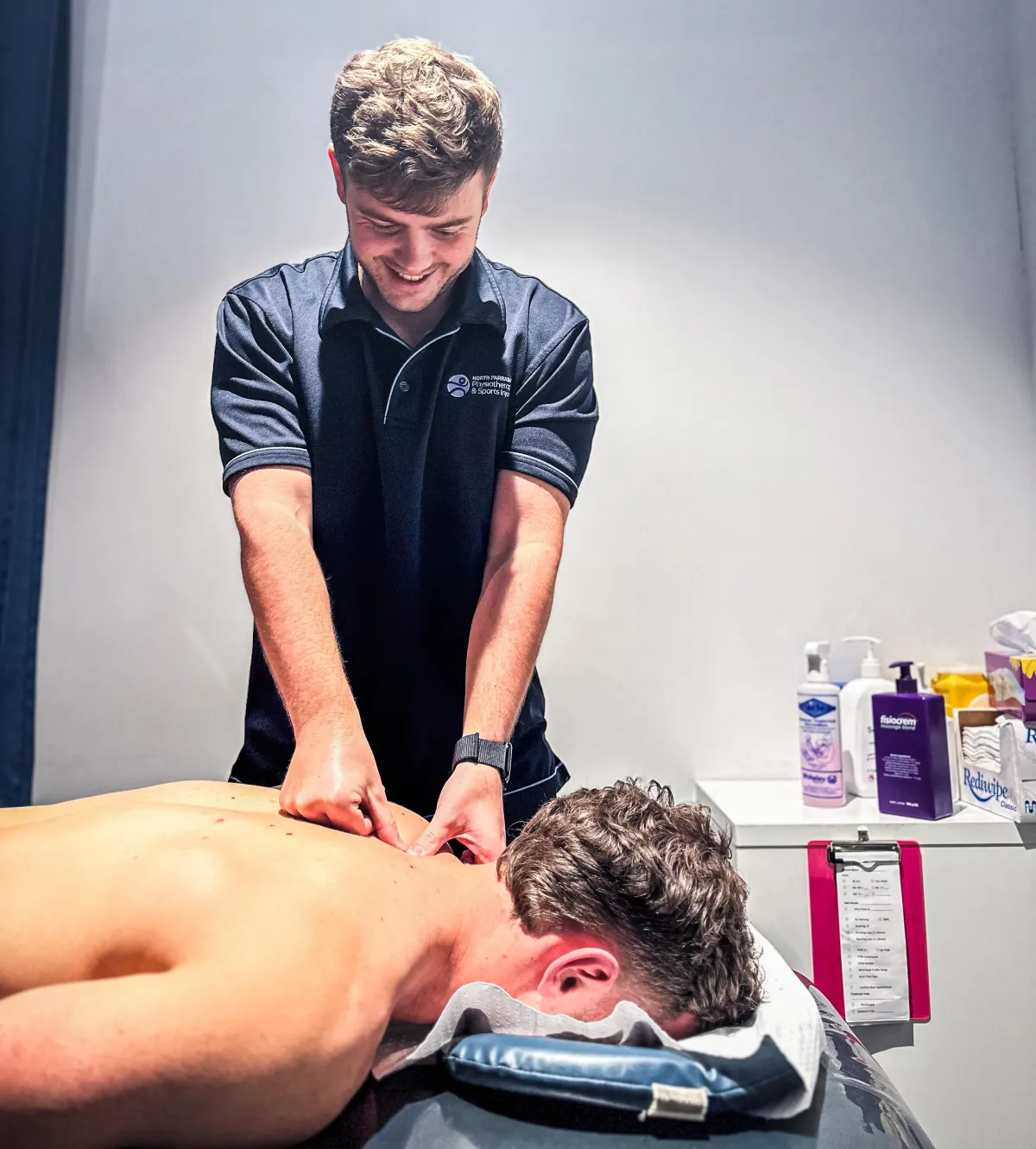
Confused about your pain and not sure what to do?
Get clear, professional advice in our free downloadable information packs
Back Pain
Understand why back pain happens and how to help it
Shoulder Pain
Understand why shoulder pain happens and how to help it
Knee Pain
Understand why knee pain happens and how to help it
Contact us today to speak with our friendly team and find out how we can help you feel your best
Latest Tips and Advice

Wrist pain
Wrist Pain
Your wrists are involved in countless activities throughout the day, from typing and using your phone to lifting weights, gripping objects and playing sport.
Because of this, wrist pain can quickly become frustrating and interfere with both work and everyday life. Symptoms may develop after a fall or sporting injury, or gradually from repetitive movements and increased activity.
Physiotherapy can help determine what may be contributing to your wrist pain and provide a structured plan to restore movement, strength and function.
What Can Cause Wrist Pain?
The wrist contains multiple joints, tendons, ligaments and muscles, meaning there are several potential causes of wrist pain.
Common contributors include:
* Falls or direct injuries
* Wrist sprains
* Repetitive gripping
* Computer and desk work
* Gym training
* Manual work
* Racquet sports
* Tendon irritation
* Sudden increases in activity
Previous wrist injuries
Nerve irritation
Wrist symptoms can also develop when the amount of load placed through the hand and wrist increases faster than your body has adapted to.
When Should You Get Wrist Pain Checked?
1.You are struggling to grip or lift
If wrist pain is affecting your ability to carry bags, lift weights, open jars or hold objects, an assessment can help identify the factors contributing to your symptoms.
2. Your wrist pain is affecting work
Typing, using tools, repetitive hand movements and prolonged computer work can all aggravate wrist symptoms. Physiotherapy can help you modify these activities while maintaining as much normal function as possible.
3. Pain continues after an injury
Following a fall or sporting injury, ongoing pain, swelling, bruising or restricted movement may warrant further assessment.
4. our wrist feels weak or unstable
If you feel less confident using your wrist or notice a significant reduction in grip strength, physiotherapy can help determine what may be contributing to the problem.
What Happens During a Wrist Physiotherapy Assessment?
Your physiotherapist will discuss:
* How your symptoms started
* Your work requirements
* Exercise and sporting activities
* Gripping and lifting demands
* Previous injuries
* Movements that aggravate your symptoms
* Your goals for recovery
The assessment may include wrist and hand movement, grip strength, forearm strength and functional tasks relevant to your daily activities.
How Can Physiotherapy Help Wrist Pain?
1.Exercise Rehabilitation
Your program may include exercises to improve wrist and forearm strength, mobility, grip strength and tolerance to everyday activities.
2. Activity Modification
You don't always need to completely stop using your wrist. Your physiotherapist can help identify which activities can continue and which may need temporary modification.
3. Return to Sport or Exercise
If wrist pain has affected your gym training or sport, rehabilitation can gradually rebuild the strength and load tolerance needed to return safely.
4. Hands-On Treatment
Where appropriate, hands-on treatment may be used alongside exercise and education to assist with movement and symptom management.
Frequently Asked Questions
Should I use a wrist brace?
A brace can be useful in some situations, but it isn't appropriate for every wrist problem. Your physiotherapist can advise whether one may help based on your symptoms and activities.
How long should wrist pain last after a sprain?
Recovery depends on the severity of the injury. If pain, swelling or movement restrictions are not improving as expected, an assessment can help determine whether further management is needed.
Can I exercise with wrist pain?
Often, yes. Some exercises may need to be modified while others can usually be continued. Your physiotherapist can help you find an appropriate level of activity.
Take the First Step Towards Managing Your Wrist Pain
Wrist pain can affect work, sport, exercise and everyday activities. Understanding the cause and gradually rebuilding strength and movement can help you return to normal function.
At North Parramatta Physiotherapy & Sports Injuries, we provide evidence-informed assessment and rehabilitation for wrist pain throughout
Contact our friendly team today to book an appointment and discuss how physiotherapy may help you get back to doing the things you enjoy.

We’re proud to be connected with trusted professional affiliations and community partners.








North Parramatta Physiotherapy & Sports Injuries is powered by Vitala Health, a group of Allied Health Practices across New Zealand and Australia.
Vitala Health provides clinical solutions that supports clients health and lifestyle needs through best practice treatment, premium facilities, education and ongoing commitment to customer service. Learn more about Vitala Health
If you have any questions before scheduling an appointment or for general enquiries, please use the contact us. Our team will promptly reach out to assist you.
Opening Hours
Monday: 7am - 7pm
Tuesday: 7am - 7pm
Wednesday: 7am - 7pm
Thursday: 7am - 7pm
Friday: 7am - 5pm
Saturday: 8am - 12pm
Sunday: Closed



Follow Us
The Clinic
Common conditions
North Parramatta Physiotherapy & Sports Injuries
© Copyright 2026 Vitala Health. All Rights Reserved.
Facebook
Instagram